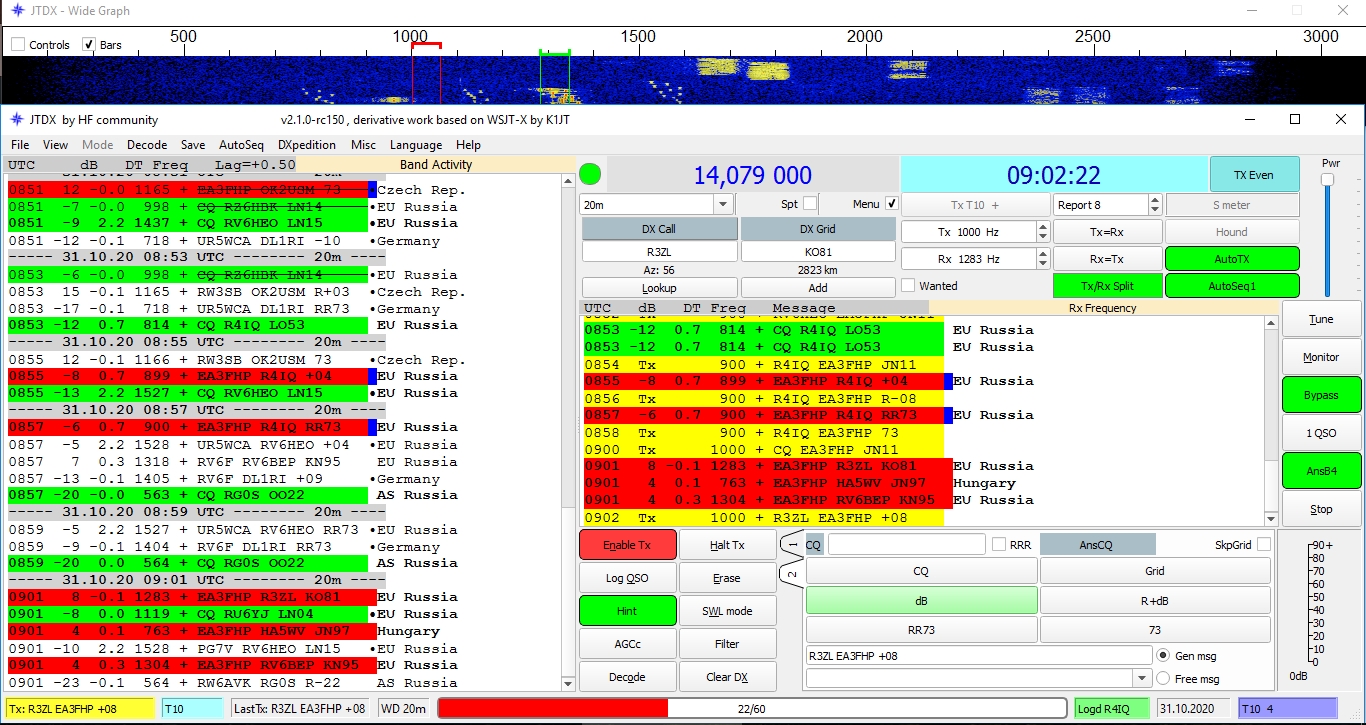
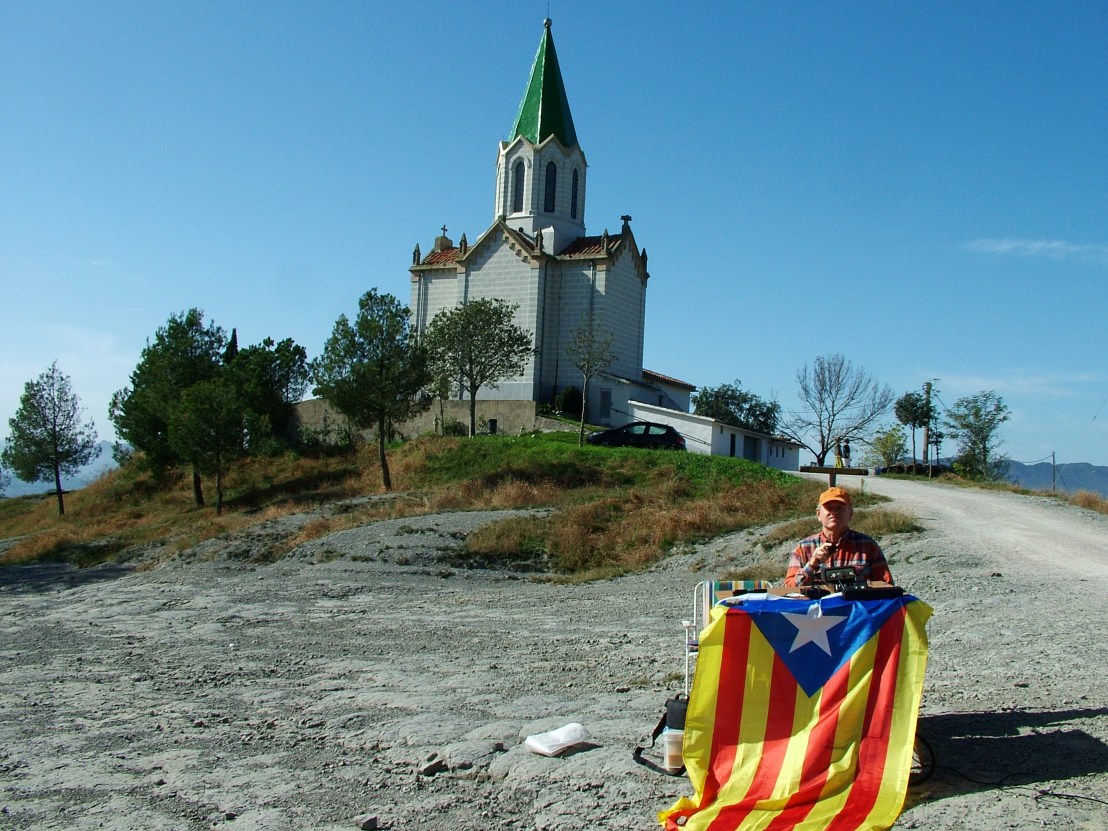
Today we had a pleasant surprise, we found a lot of activity in T10 digital mode. This mode is very forgotten by radio amateurs, as they generally do not use it.We don’t know why.
We have worked with the mode T10 on the 14.079 MHz. using the excellent JTDX software and a small pile up has been formed.
QRZ.com és un cercador americà d’indicatius de radioaficionat on s’hi poden cercar les dades personals (nom, adreça, població, biografia, email, etc.) dels radioaficionats tot del món que hi estan donats d’alta. No sabem si això és legal a Europa o vulnera la Llei orgànica 15/1999 de protecció de dades de caràcter personal (LOPD).
El Logbook of The World (LoTW) és un base de dades de l’American Radio Relay League (ARRL) que ofereix un servei de verificació de contactes entre radioaficionats. Utilitzant el LoTW, els radioaficionats poden reclamar i verificar els contactes (QSOs) realitzats amb altres aficionats, generalment per a sol·licitar crèdits per a diplomes com el DXCC de països. Aquest tipus de verificació antigament requeria intercanvi de targetes postals (QSL) de paper i l’enviament a l’ARRL, un procés lent i una mica car.
eQSL és un servei d’intercanvi de targetes QSL electròniques entre els radioaficionats. Està dissenyat per a ser la forma més ràpida, fàcil i econòmica d’intercanviar les targetes de verificació de contactes, eliminant el cost i el temps de les targetes postals de paper.
La base de dades mundial del sistema DMR (Digital Mobile Radio) concedeix les anomenades “Ràdio ID”, és a dir, un indicatiu numèric que va aparellat amb l’indicatiu de radioaficionat i que permet accedir al sistema DMR. Aquesta identificació no té cap validesa legal, ja que és concedida pels mateixos radioaficionats i no per una administració pública, com en el cas dels indicatius de radioaficionat, després de superar un examen.
No sabem si això és legal a Europa o vulnera la Llei orgànica 15/1999 de protecció de dades de caràcter personal (LOPD), ja que els gestors del sistema, (radioaficionats, persones particulars), sol·liciten una còpia de la llicència de radioaficionat i que, per cert, no admeten el Carnet Català de Radioaficionat emès per la Generalitat de Catalunya, fet que demostra el seu total desconeixement sobre la Nació catalana, el seu Govern i les seves institucions.
Els propietaris dels quatre llocs tenen un problema: prohibeixen la inclusió de Catalunya a les dades personals, adreça, etc. dels radioaficionats catalans i modifiquen els comptes de forma que sempre eliminen el nom de Catalunya i la senyera oficial de Catalunya.
En el cas del QRZ.com el radioaficionat EA3FHP va aconseguir que, entre els anys 2003 i 2010, aquest cercador hi hagués la possibilitat de configurar-lo de forma que a les adreces dels operadors catalans hi aparegués el nom de Catalunya i la senyera oficial. A partir del 2010, a causa de fortes pressions dels radioaficionats espanyols, el propietari del cercador AA7BQ va decidir prohibir la senyera oficial de Catalunya i el nom de Catalunya permanentment.
El cas del Logbook of The World (LoTW) consisteix en el fet que l’American Radio Relay League (ARRL) es nega a afegir Catalunya a la llista de països del diploma DXCC, malgrat que compleix tots els requisits segons les seves bases i amb l’agreujant que ignora a més de dos mil radioaficionats (la majoria) que han signat a la plataforma change.org a favor del reconeixement de Catalunya com a entitat/país del citat diploma DXCC.
En el cas d’eQSL, és pràcticament el mateix, el seu propietari N5UP, es nega a permetre el nom de Catalunya a les adreces dels radioaficionats catalans i obliga a posar un país que no és el correcte.
DL5DI responsable i propietari de la base de dades mundial del sistema DMR (Digital Mobile Radio), es nega rotundament a incloure Catalunya a la llista d’usuaris registrats en aquest sistema i afirma que “Catalunya no és un país, sinó una regió d’Espanya”. Hem enviat molts correus electrònics intentant convèncer aquest radioaficionat que les dades personals no són de la seva propietat i que cada radioaficionat té dret a posar el país que desitgi, en aquest cas, Catalunya.
Davant d’aquesta discriminació i imposició, l’any 2014 ens vam donar de baixa de QRZ.com, el 2016 del LoTW i el 2020 d’eQSL i del DMR. Per tot això exposat, convidem a tots els radioaficionats a donar-se de baixa de les quatre plataformes.
Entre els anys 2003 i 2010 QRZ.com permetia mostrar la senyera i el nom de Catalunya.
Campanya “Catalunya nou país/entitat del diploma DXCC” iniciada i abandonada per EA3HSL.
Ens hem donat de baixa d’eQSL, però hem deixat aquest missatge de protesta.
Tenim dret a mostrar el nostre país a les nostres dades personals.
The country (DXCC entity) of the following radio amateur prefixes EA3, EB3, EC3, ED3, EE3, EF3, EG3, EH3, AM3, AN3 & AO3 is Catalonia even though the American Radio Relay League (ARRL) denies it.
Catalonia must be added in the DXCC entities list by the ARRL. Sign the petition. Today 1,929 have signed. Let’s get to 2,500!
Ràdio Club Osona, EA3RKO és una associació de radioaficionats fundada el 22 de juliol de 1989 per diversos radioaficionats amb llicència i també per CB-istes.
Finalment, el 26 de juliol de 2011 es constitueix l’associació Ràdio Club Vic, 1C3VIC fundada per EA3FHP i dos radioaficionats aspirants a obtenir la llicència.
Ràdio Club Osona, Unió de Radioafeccionats d’Osona i Ràdio Club Vic.
Les associacions de radioaficionats d’Osona no pertanyen ni tenen cap vinculació formal amb cap federació d’associacions, però mantenen excel·lents relacions amb totes les associacions i federacions de radioaficionats nacionals de Catalunya.
Les tres associacions són totalment independents, fidels als seus principis d’independència associativa. La seva política és la de mantenir relacions amb les diverses Administracions per a defensar els drets dels radioaficionats catalans.
El popular concurs Comarques Catalanes se celebra des de l’any 1988. Durant vint-i-cinc anys va estar organitzat pel Ràdio Club Auro de Santpedor (Bages).
Actualment el gestiona l’Associació de Radioaficionats de Catalunya (ARCAT).
L’aplicació per a Android DVSwitch permet l’accés a la xarxa mundial de DMR. És una app molt intuïtiva i fàcil de configurar. Cal registrar-se al servidor que és gestionat per EA3IHI (David).
Aquesta aplicació permet crear i gestionar instàncies de servidor DVSwitch connectades a la xarxa DMR. Aquest servei és ofert per EA3IHI de forma gratuïta i desinteressada amb l’única finalitat d’experimentar i aprendre gaudint de la ràdio. (Font: EA3IHI)
En els modes C4FM i DSTAR funciona com a DMO amb l’indicatiu EA3RKO, el qual n’és el titular la veterana associació de radioaficionats fundada l’any 1989, Ràdio Club Osona. La freqüència és 144.875 MHz en símplex. En C4FM queda enllaçat al TG21460; en DSTAR al TG2143. Permet canviar a altres sales i reflectors sota demanda. Cada 15 minuts la balisa emet l’indicatiu en mode DSTAR.
Convidem a tots els radioaficionats a connectar-se a la Xarxa Digital Catalana de DMR+ i dedicar tots els esforços a potenciar-la i a utilitzar-la, ja que és l’única xarxa genuïnament catalana, lliure i oberta a tots.